



Romanian Traditional Food: Original Recipes That Influenced Other Cuisines
Romanian traditional food is often described as hearty and comforting. However, it is also original, deeply regional, and historically important. Many dishes that travelers recognize across Central and Eastern Europe either developed in Romanian regions or were preserved here in their most traditional form.
Because Romania sits at the crossroads of Europe, its cuisine evolved through contact with many cultures. Still, it never lost its identity. Instead of copying, Romanian cooking adapted ideas and transformed them into something local, practical, and long-lasting.
As a result, Romanian food feels familiar to visitors, yet clearly different once tasted.
A Cuisine Shaped by Geography and Daily Life
Romanian cuisine developed mainly in rural households. Families cooked with what they had. Ingredients came from nearby farms. Cooking methods focused on slow preparation and preservation.
Because of this, recipes remained stable for generations. They did not change quickly. Moreover, they were passed down by practice, not books. This helped preserve authenticity.
In addition, Romania’s geography played a key role. Mountains, plains, and rivers created regional differences. Each area adapted dishes to local conditions. Over time, this produced strong regional variations that still exist today.
Why Romanian Food Feels Original
Romanian food stayed original because it stayed close to home cooking. It did not become elite cuisine early. It did not move into royal kitchens. Instead, it remained practical and family-centered.
While other European cuisines refined similar dishes for courts and restaurants, Romanian cooking focused on feeding people well. As a result, many recipes kept their original structure, ingredients, and preparation style.
This explains why Romanian food feels honest. It also explains why it influenced neighboring cuisines without being replaced by them.
Stuffed Dishes and Regional Identity
Stuffed dishes exist across Europe. Still, Romanian versions stand apart.
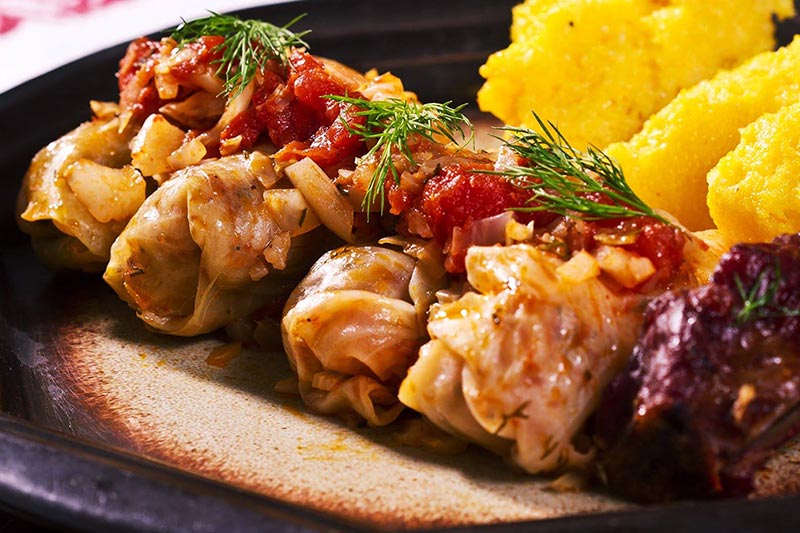
Romanian sarmale differ in size, texture, and cooking time. Cooks prepare them slowly. They often add smoked meat. They serve them with thick sour cream. These details matter.
Moreover, Romanian regions handle them differently. Transylvania prefers larger portions. Southern regions make them small and numerous. Vine leaves appear in warmer areas, while cabbage dominates colder zones.
Because of this diversity, Romanian stuffed dishes influenced similar foods nearby, yet kept their own strong identity.
Mămăligă and the Forgotten Origins of Polenta
Many people associate polenta with Italy. However, mămăligă existed in Romanian households long before polenta became a refined dish elsewhere.
In Romania, mămăligă replaced bread for centuries. People ate it daily. They paired it with cheese, sour cream, eggs, or stews. It was not decorative. It was essential.
Later, other cuisines refined cornmeal into restaurant dishes. Romania preserved its original role. Consequently, mămăligă represents how Romanian food influenced others while staying unchanged at home.
Sour Soups and a Unique Culinary Category
Romanian ciorbă defines an entire food category based on sour taste. Few cuisines treat sourness this way.
Cooks achieve the flavor through fermented liquids, vinegar, or traditional sour agents. As a result, Romanian soups feel lighter and sharper than similar dishes elsewhere.
Although neighboring countries adopted sour soups, Romanian cuisine kept the widest variety. From meatball soup to tripe soup, ciorbă remains everyday food, not a seasonal specialty.
Grilled Meat and Shared Balkan Traditions
Grilled meat exists throughout the Balkans. Still, Romanian mititei show how shared ideas evolve differently.
Romanian cooks removed the casing. They focused on texture and seasoning. They perfected grilling techniques. Over time, mititei became part of social life.
Markets, beer gardens, and outdoor gatherings all center around them. This cultural role sets them apart from similar dishes in nearby countries.
Desserts That Prioritize Balance
Romanian desserts avoid excessive sweetness. Instead, they aim for balance and richness.
Cozonac appears across Eastern Europe. However, Romanian versions remain heavier and more generously filled. Families still bake them at home, especially for holidays.
Papanași provide another example. While fried dough exists everywhere, the Romanian version relies on fresh cheese, sour cream, and jam. This combination creates a unique texture and taste.
Because of these choices, Romanian desserts influenced similar foods elsewhere without losing their character.
How Romanian Food Influenced Without Disappearing
Romanian cuisine influenced surrounding regions by preserving older methods. Other countries modernized faster. Romania stayed patient.
As a result, travelers now rediscover dishes that feel familiar but taste deeper. These recipes survived because they stayed useful, not trendy.
Originality does not require isolation. Instead, it requires continuity. Romanian food proves this.
Romanian Traditional Food Today
Today, interest in Romanian food is growing. Travelers search for authenticity. They want food with history. Romanian cuisine offers both.
Traditional dishes remain central to daily life. Restaurants serve recipes that existed long before tourism. Families still cook the same way.
For visitors, this creates a rare experience. Romanian food feels rooted, not recreated.