



From Stereotypes to Surprise: Why Influencers Are Changing Their Minds About Bucharest
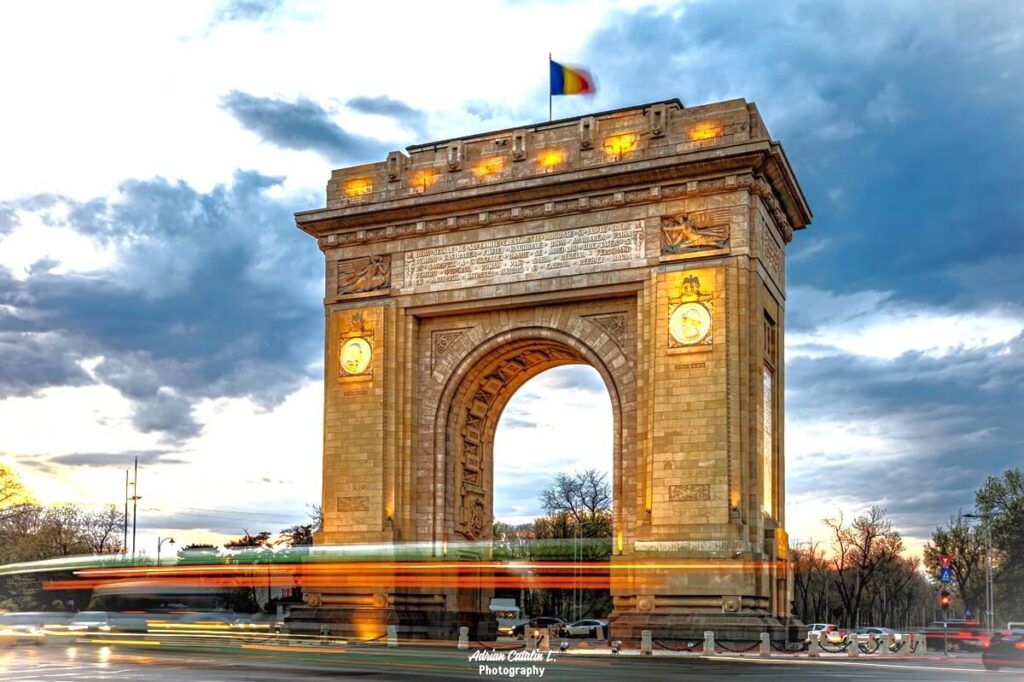
For years, Bucharest carried an image problem.
Many travelers from Western Europe and North America associated Romania with outdated stereotypes. Grey buildings. Post-communist austerity. Limited infrastructure. A place to “pass through,” not to experience.
Yet something interesting has been happening.
Travel influencers, digital nomads, and content creators are arriving in Bucharest with modest expectations and leaving with a completely different perspective.
The Power of First Impressions
Influencers often arrive expecting something industrial and rigid. What they find instead is contrast.
They discover:
- Wide boulevards with Belle Époque architecture
- Lively cafés filled with young professionals
- Rooftop bars overlooking modern skylines
- Traditional restaurants with live music
- Fast internet and vibrant nightlife
The most common reaction shared in travel vlogs and posts is simple: “This is not what I expected.”
And that sentence matters.
A City With Deep Historical Layers
To understand the shift in perception, it helps to understand Bucharest’s development.
Bucharest was first mentioned in historical records in the 15th century, during the reign of Vlad Țepeș. Over time, it became a commercial crossroads between the Ottoman Empire and Central Europe.
In the late 19th and early 20th centuries, the city experienced rapid modernization. French architectural influence reshaped entire districts. Elegant buildings, broad avenues, and cultural institutions earned Bucharest the nickname “Little Paris.”
The 20th century, however, altered its trajectory. World War II damage followed by decades of communist rule changed the city’s physical and political landscape. Monumental buildings, including the Palace of the Parliament, redefined parts of the urban space.
After 1989, Romania entered a transition period. Economic restructuring, EU accession in 2007, and private investment gradually reshaped Bucharest again.
Today, the city reflects all these stages at once.
The Modern Transformation
Over the last fifteen years, Bucharest has undergone quiet but significant development.
The tech sector has grown. International companies have expanded. Shopping centers such as Băneasa and ParkLake offer modern retail experiences. Boutique hotels and design-forward cafés have multiplied.
Internet infrastructure ranks among the fastest in Europe. The restaurant scene has matured. Creative industries are visible.
While parts of the city still show raw edges, many influencers describe that rawness as character rather than flaw.
It feels real.
Attractions That Surprise Visitors
The Palace of the Parliament, often misunderstood as only a symbol of excess, now functions as one of the largest administrative buildings in the world and a major tourist attraction.
The Old Town has evolved into a concentrated nightlife district with over one hundred bars and clubs within walking distance.
Parks such as Herăstrău (King Michael I Park) provide green escape in a dense urban environment.
Traditional markets like Piața Obor showcase authentic local food culture.
Museums, Orthodox churches, and restored historic inns connect visitors to earlier centuries.
Many influencers admit they expected a single-layered city. Instead, they find variety.
Breaking the Stereotype About Romania
Romania as a whole has faced decades of misrepresentation in international media. Poverty-focused narratives and outdated imagery shaped perceptions abroad.
However, tourism often changes those assumptions quickly.
Visitors discover:
- Safety levels comparable to or better than many Western capitals
- Affordable pricing without sacrificing quality
- Warm hospitality
- Strong cultural identity
Influencers, in particular, amplify these discoveries. Their content reaches audiences who might never have considered Romania before.
When someone with a large following says, “I was wrong about Bucharest,” perception shifts.
Why Expectations Are So Low — And Why That Helps
Part of Bucharest’s advantage lies in the expectation gap.
When travelers visit cities like Paris or Rome, expectations are extremely high. Reality sometimes struggles to match the image.
In Bucharest, expectations are often modest. Reality exceeds them.
This reversal creates stronger emotional reactions and more enthusiastic content.
Surprise generates shareable stories.
Where Bucharest Stands Today
Bucharest is not trying to become another Western capital.
It is not trying to erase its communist past or imitate Paris again.
Instead, it is evolving organically.
Modern business districts grow alongside historic neighborhoods. Traditional restaurants coexist with minimalist cafés. International tourists mix with local residents.
The city is developing, but it still feels accessible.
For influencers searching for “undiscovered Europe,” Bucharest offers content opportunity. For travelers searching for authenticity, it offers experience.
Experience the City Differently
As more creators showcase Bucharest’s transformation, tools that help visitors navigate the city intelligently become more important.
Through AirVoucher, tourists can access curated local restaurants, bars, and experiences while benefiting from exclusive offers across the city. By scanning a QR code in participating accommodations, visitors unlock local recommendations instantly.
The modern Bucharest experience is not only about monuments. It is about discovering neighborhoods, trying traditional food, and exploring nightlife.
Influencers are helping rewrite the story.
Visitors are confirming it.
Bucharest may not have chased global attention, but attention is now arriving on its own.
And once people visit, they rarely leave with the same opinion they had before.